What Is Packaged Kratom, and How Is It Packaged?
Packaged kratom is kratom sold in sealed retail packaging, most often as powder, capsules, extracts, tea, or edibles. Powder usually comes in resealable foil or mylar stand-up pouches, capsules in plastic bottles or blister packs, and extracts in dark glass dropper bottles. Good packaging keeps out moisture, light, and air, and carries the label information many states require.
- •Applicable conditions: the right package depends on the product form; powder needs a moisture barrier and a reclosable seal, capsules and extracts depend more on the bottle and closure, and tea and edibles add an outer carton or wrap.
- •Key trade-off: foil layers and dark glass protect the product best but hide it and cost more; clear windows and thin films show the product but let in more light and moisture.
- •Verification step: kratom rules differ by state and changed in 2026, so confirm current label, age, and child-resistant requirements for each market before the package is finalized.
Introduction: What is Kratom?
Kratom is made from the leaves of the Mitragyna speciosa tree, which is native to Southeast Asia. It is sold in several forms, including powder, capsules, extracts, tea, and edibles, and each form needs different packaging.
This guide covers the main kratom product forms, how each is usually packaged, why packaging matters for quality and compliance, and how legal status differs by region. If you are a brand choosing packaging specs, see our kratom packaging design guide.
Understanding the Different Forms of Kratom
Kratom Powder
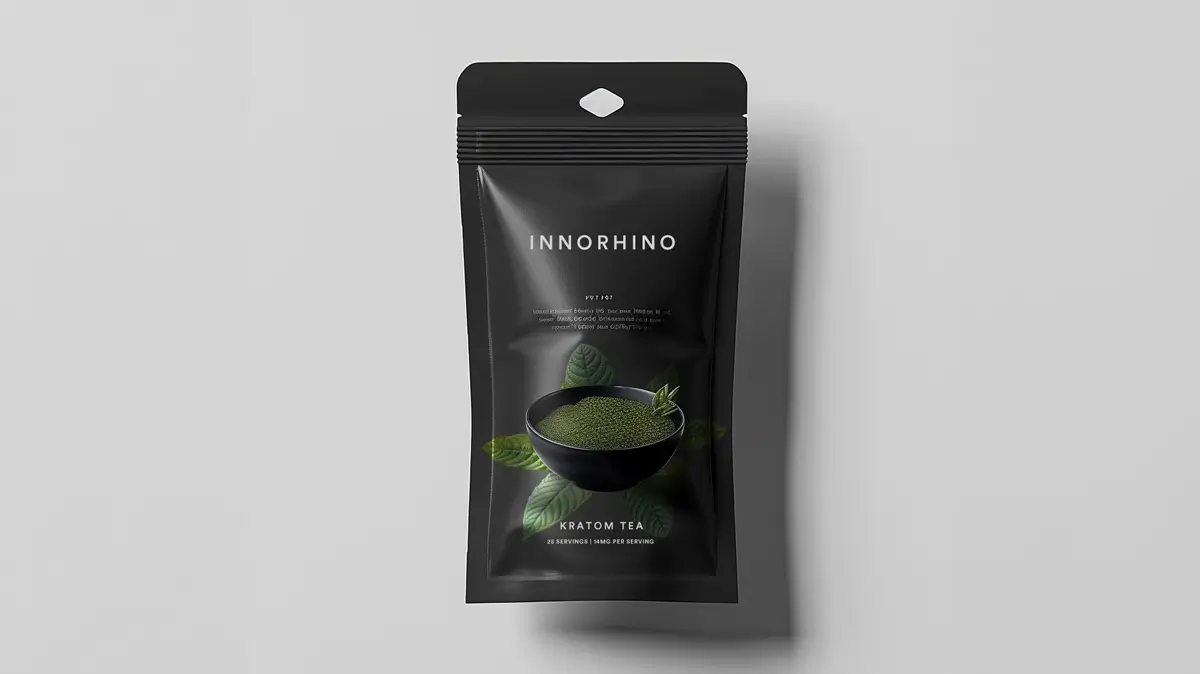
- Description: The most common and versatile form, Kratom powder is made by finely grinding the dried leaves of the Kratom tree.
- Uses: Popular among users for its flexibility; it can be consumed directly, mixed with beverages, or brewed into tea.
- Packaging: Typically sold in resealable stand-up pouches or vacuum-sealed bags to maintain freshness and potency. Look for packaging that protects against moisture, air, and light.
Kratom Capsules
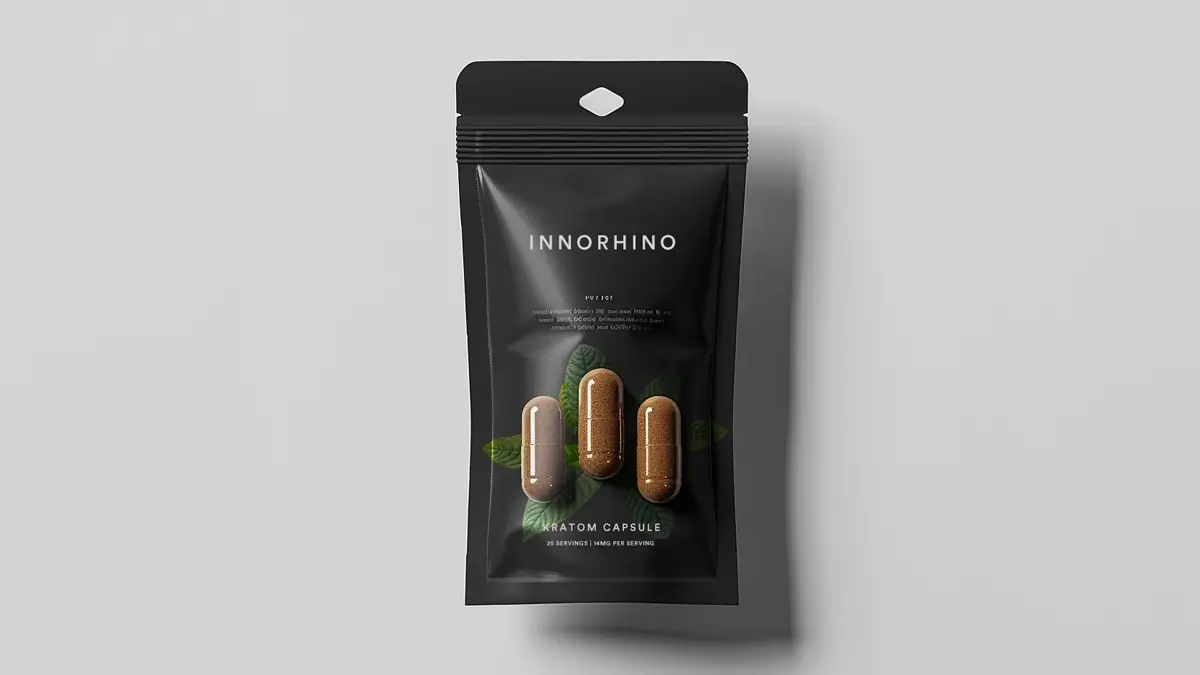
- Description: Capsules are pre-measured doses of Kratom powder encased in gelatin or vegetarian shells.
- Uses: Ideal for on-the-go use and for those who dislike the bitter taste of Kratom.
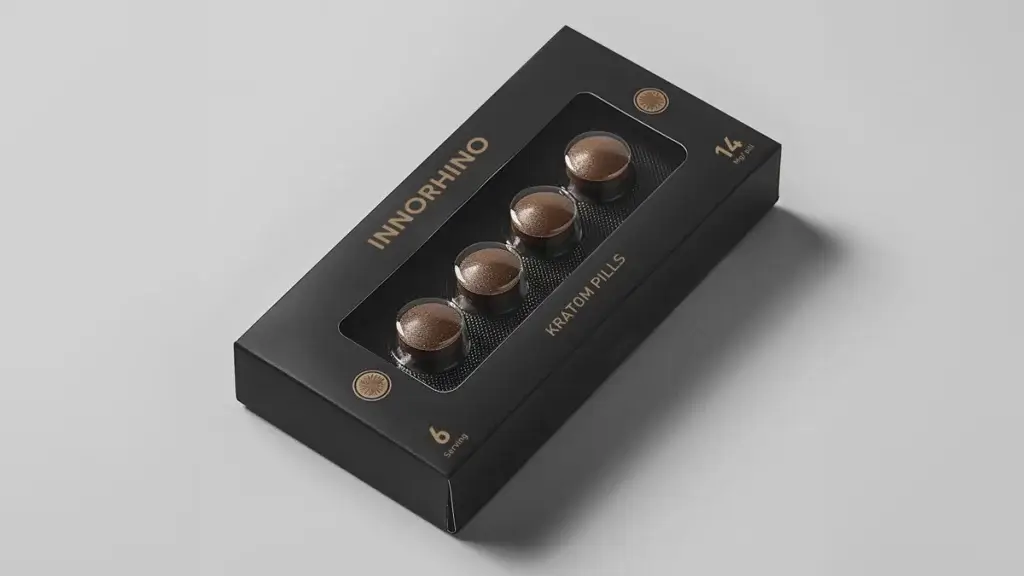
- Packaging: Commonly packaged in plastic bottles or blister packs, ensuring convenience and precise dosing.
Kratom Extracts and Tinctures
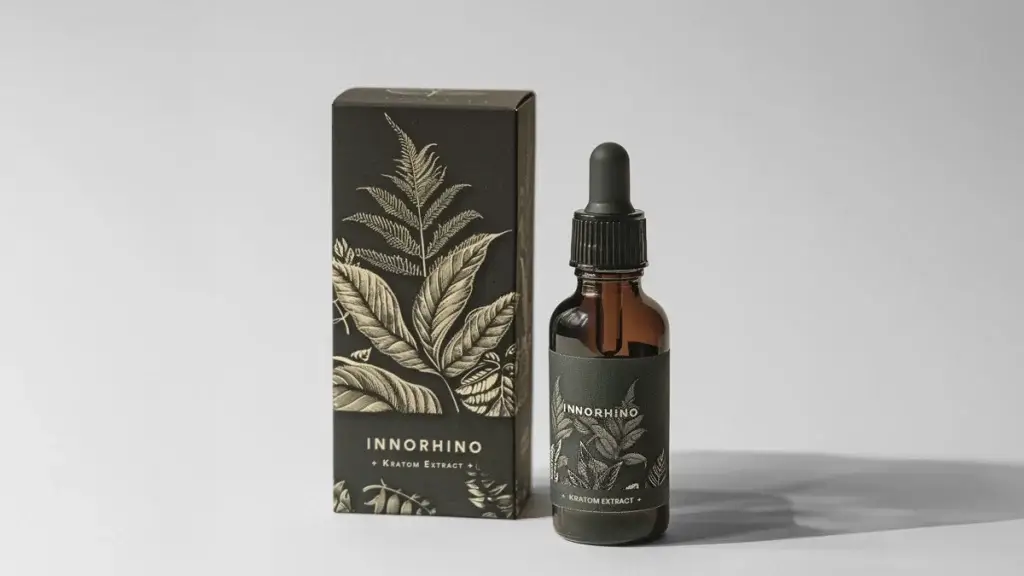
- Description: Concentrated forms of Kratom, available as liquids, powders, or resins, offering stronger effects with smaller doses.
- Uses: Suitable for experienced users looking for a potent option.
- Packaging: Usually found in dropper bottles, sachets, or pouches. Look for packaging that ensures easy dispensing and dosage accuracy.
Kratom Tea
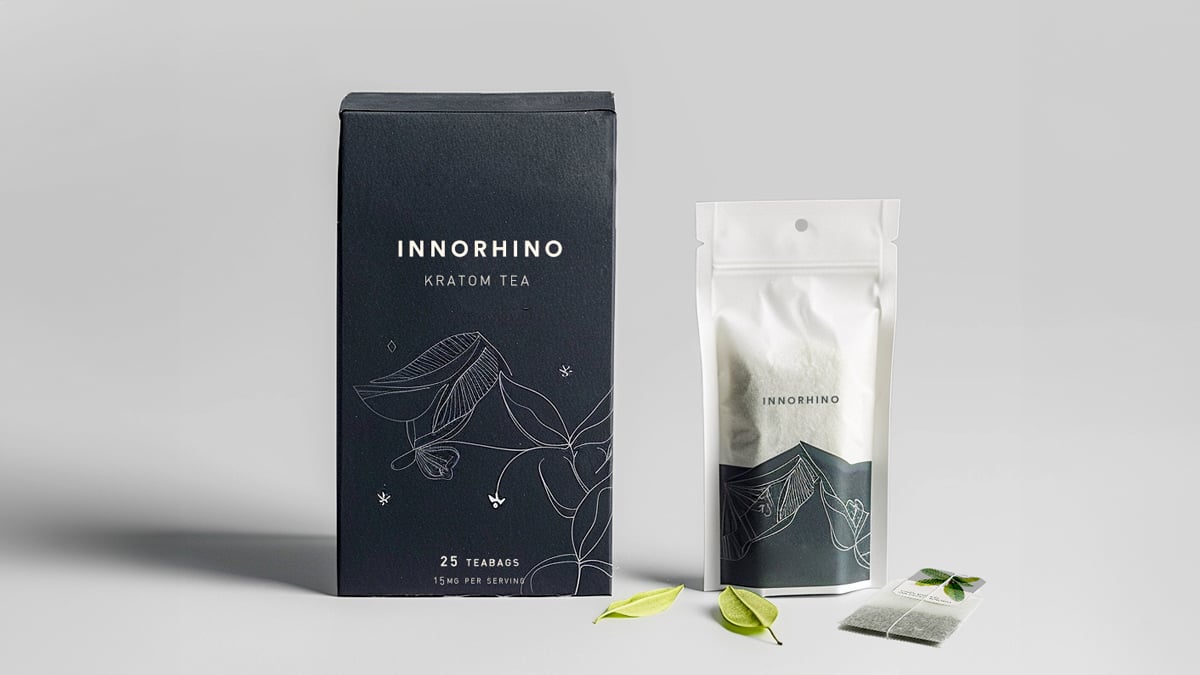
- Description: Prepared by brewing Kratom leaves or powder in hot water, this is the traditional way kratom has been prepared in Southeast Asia.
- Uses: Suited to buyers who prefer brewing over measuring loose powder.
- Packaging: Available as loose leaves in resealable pouches or pre-measured tea bags for convenience.
Kratom Edibles
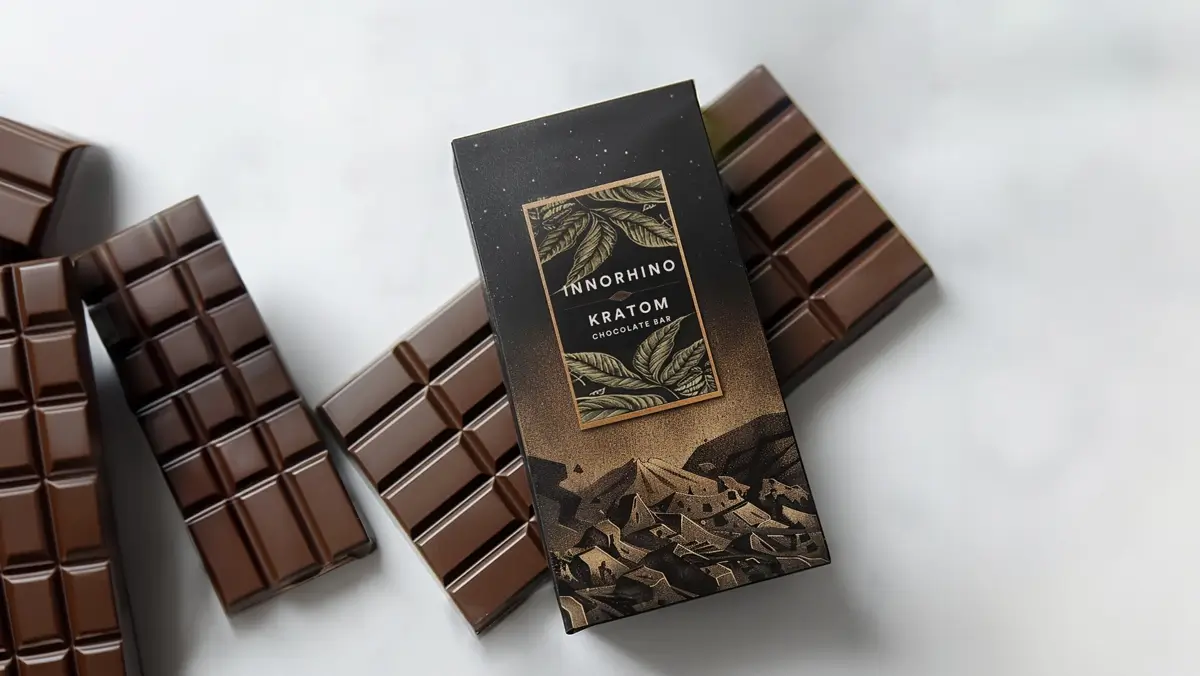
- Description: Kratom-infused products like chocolates, gummies, and baked goods.
- Uses: Offers a discreet and enjoyable way to consume Kratom.
- Packaging: Typically wrapped in foil or plastic, ensuring freshness and portability.
Why Packaging Matters for Kratom Products
Packaging plays a crucial role in preserving the quality and effectiveness of Kratom products. Here’s why it’s important:
Freshness and Potency
High-quality packaging, such as vacuum-sealed bags and resealable pouches, helps keep Kratom fresh by protecting it from air, light, and moisture. This ensures that the alkaloids responsible for Kratom’s effects remain potent.
Convenience and Portability
Packaging like capsules in plastic bottles or teas in individual bags makes Kratom easy to use and transport. This is particularly useful for people with active lifestyles or those who prefer a simple, mess-free option.
Safety and Compliance
Proper packaging often includes tamper-evident seals and child-resistant features to ensure safety. Additionally, it provides essential information, such as dosage guidelines, strain type, and health warnings, which helps consumers make informed choices. For brands, these requirements shape the package format and label size from the start; our kratom packaging design guide covers how to plan for them.
Products you may be interested:


Legal Status of Kratom: A Global Overview
Kratom’s legal status varies widely across the world, influenced by local regulations, public health concerns, and ongoing debates over its safety and benefits. The overview below reflects publicly available information as of October 2026. Laws change often, so confirm the current rules for each market before you sell.
United States
The kratom leaf and its main alkaloid, mitragynine, are not federally controlled, but kratom is not approved as a drug, dietary supplement, or food additive. In 2026, DEA temporarily placed three kratom-related compounds in Schedule I, and its proposal to schedule 7-hydroxymitragynine (7-OH) was still pending as of October 2026. Rules also differ by state. Some states (like Alabama, Arkansas, Indiana, Rhode Island, Vermont, and Wisconsin) have banned Kratom, while others, like Arizona, Nevada, and Utah, have passed state versions of the Kratom Consumer Protection Act (KCPA) to set product quality and labeling standards.
Summary Table
| Jurisdiction | Legal Status of Kratom (Leaf) | Notes |
|---|---|---|
| Federal (USA) | Technically legal to possess/use | Not approved as supplement, drug, or food additive; health warnings issued |
| 7‑OH Derivative | Federal scheduling pending (as of Oct 2026) | DEA temporarily placed three related compounds in Schedule I in Aug 2026; check the Federal Register for current 7-OH status |
| Some States | Illegal (e.g., AL, AR, IN, RI, VT, WI) | Additional states have varying regulations or bans |
| Other States | Legal but regulated | May include age limits, labeling requirements, local ordinances |
Europe
Kratom’s legal status is inconsistent across Europe. It is banned in countries like the United Kingdom, Denmark, Finland, Latvia, Lithuania, and Poland. In other countries, like the Netherlands and Spain, Kratom remains legal but is subject to restrictions regarding its sale and distribution.
Southeast Asia
In its native regions, Kratom’s status is often regulated. Thailand, where Kratom grows naturally, legalized Kratom in 2021 for medicinal and research purposes. However, in Malaysia and Myanmar, Kratom remains illegal.
Other Regions
Canada
Kratom is legal but regulated by Health Canada, which restricts its sale for consumption.
Australia and New Zealand
Kratom is classified as a controlled substance, making it illegal to buy, sell, or possess without a prescription.
Understanding these varying regulations is crucial for consumers and businesses to ensure they are compliant with local laws and can safely purchase or sell Kratom.
Trends in Kratom Packaging
As the Kratom market continues to grow, packaging trends are evolving to meet consumer demand and regulatory requirements:
- Eco-Friendly Packaging: Sustainable packaging options, like biodegradable bags or recyclable containers, are becoming more popular as environmentally conscious consumers seek greener choices.
- Innovative Design: Eye-catching designs and clear labeling help brands stand out on the shelves and online marketplaces. Packaging that communicates transparency, such as listing all ingredients and providing batch numbers, builds trust with consumers.
- Compliance with the Kratom Consumer Protection Act (KCPA): Packaging that meets KCPA standards often includes information about the source, purity, and safety of the product, making it easier for consumers to choose reputable brands.
What This Means for Kratom Brands
For brands, these differences turn into packaging decisions. The product form sets the main protection need, the target states set the label content and any child-resistant requirement, and the sales channel sets how the package has to look and travel.
- Product form: Powder needs a strong moisture barrier and a reliable reclosure. Capsules and extracts depend more on the bottle and closure.
- Label content: Ingredient details, warnings, and batch codes take panel space. Plan the label before the package size is fixed.
- Compliance features: Child-resistant and tamper-evident features affect closures and structure, so decide early whether your markets require them.
Plan Your Kratom Packaging
Knowing the product forms and the legal landscape is the first step. The next is turning them into a packaging spec. Our kratom packaging design guide walks brands through formats, materials, compliance features, and sample validation. Talk with us. Let’s shape it together.
References
- American Kratom Association (AKA): Comprehensive resource on Kratom’s uses, legal status, and consumer rights. American Kratom Association
- National Institute on Drug Abuse (NIDA): Insights into Kratom’s effects, risks, and public health concerns. NIDA on Kratom
- Mayo Clinic: Overview of Kratom’s benefits, risks, and scientific research. Mayo Clinic on Kratom
- U.S. Food and Drug Administration (FDA): Information on safety warnings and regulatory updates related to Kratom. FDA on Kratom
- PubMed and National Center for Biotechnology Information (NCBI): Peer-reviewed studies on Kratom’s pharmacology and therapeutic potential. PubMed | NCBI