What is a dieline, and why does my supplier keep asking for one?
A dieline is the flat, unfolded template of a package. It marks where the board will be cut, creased, perforated, and glued, and it defines the bleed and safe zones for artwork. Printers and die-cutters work from it directly, so artwork placed on an inaccurate dieline can print correctly and still fold wrong.
For standard structures such as tuck-end cartons or mailer boxes, your manufacturer can usually supply a dieline sized to your product and board. Custom structures need a structural designer, and either way the dieline should be confirmed with a physical sample before mass production.
Every printed box starts as a flat sheet. Before anything is printed or cut, someone has to define exactly where that sheet will be cut, folded, and glued, and where the artwork can safely sit. That definition is the dieline. Knowing how to read one makes it easier to brief designers, check proofs, and catch problems before they reach production.
Table of Contents
ToggleWhat Is a Dieline?
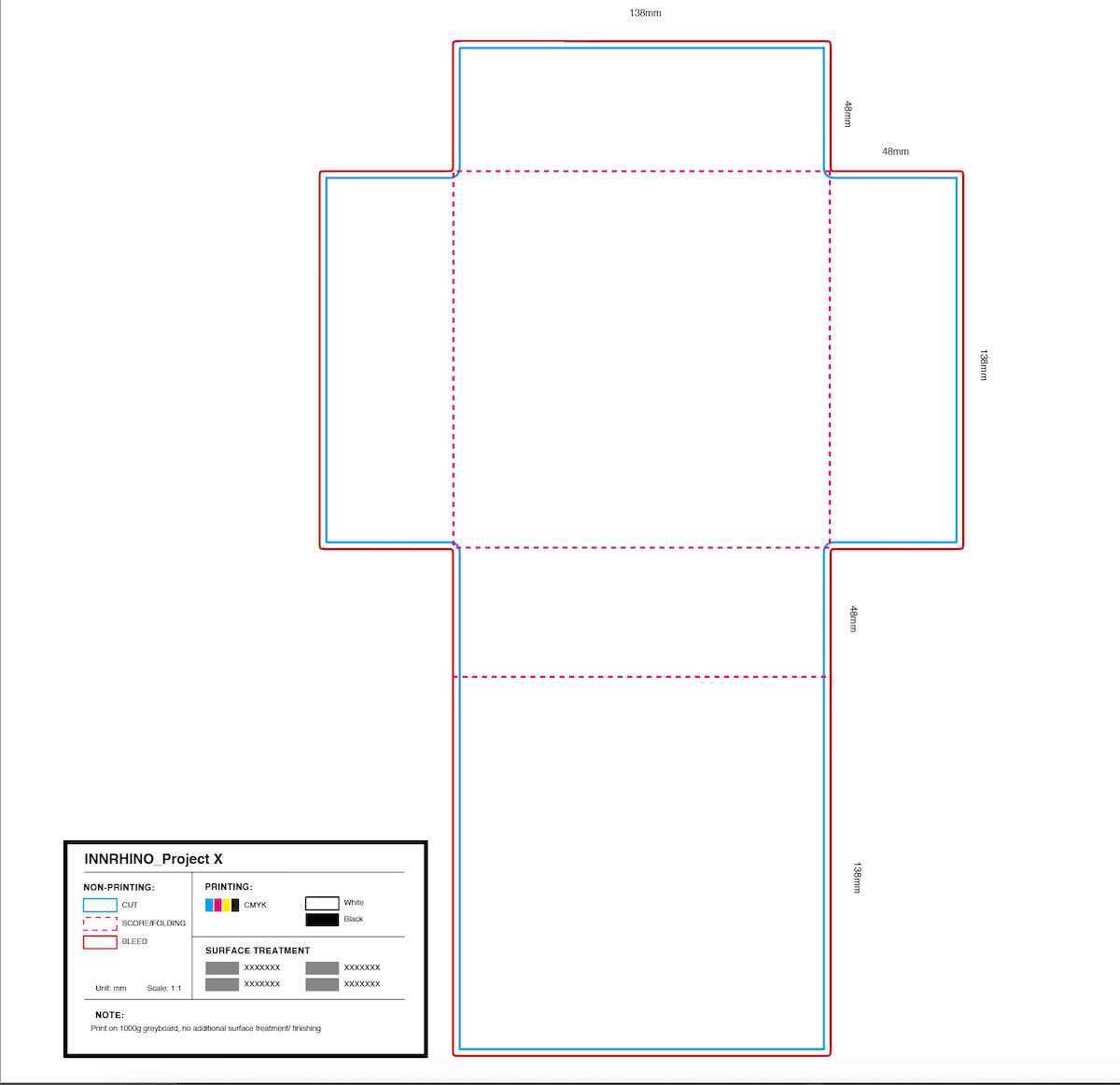
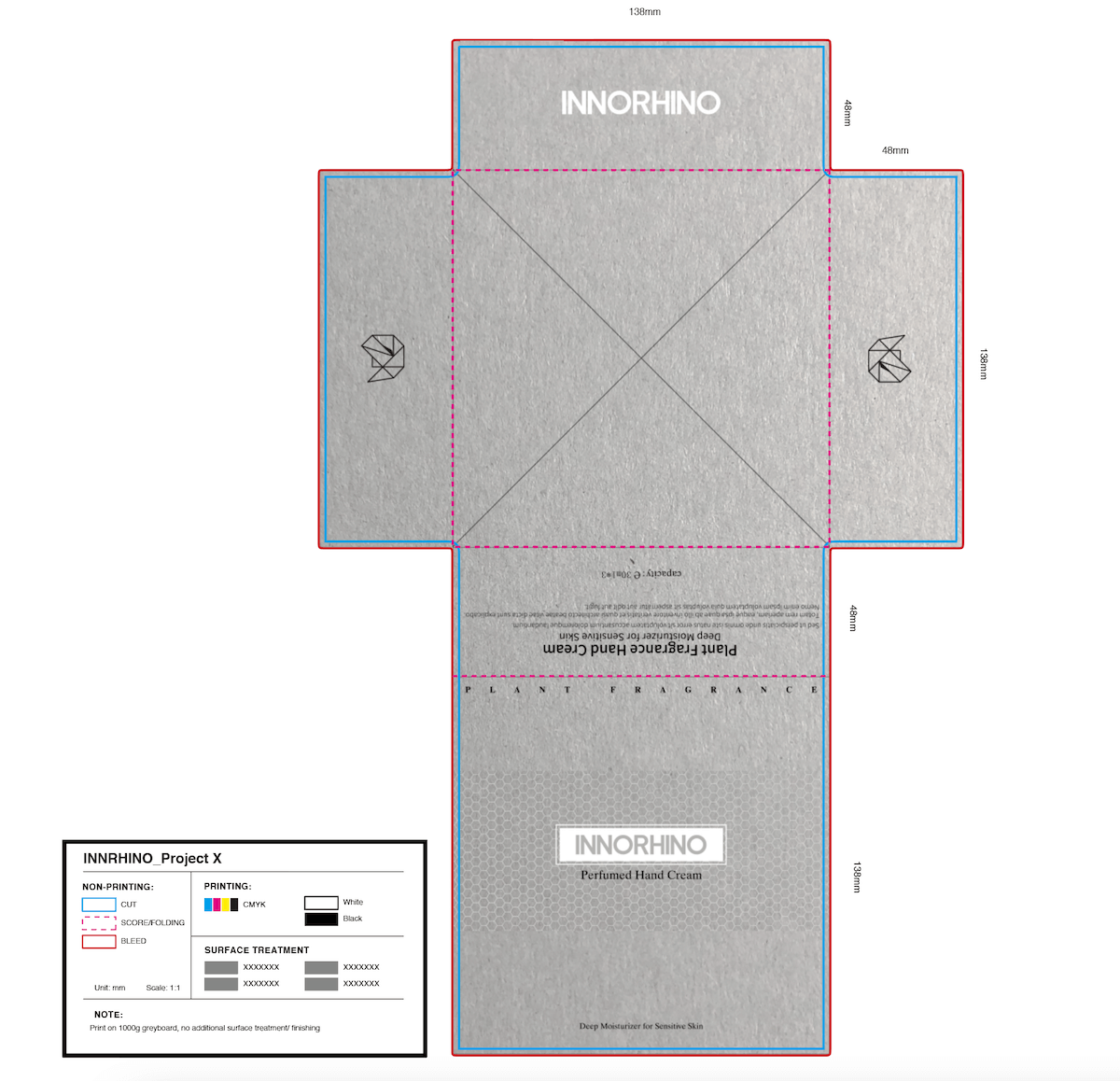
A dieline is the flat template of a package, drawn to exact size. It shows the structure’s cut lines, fold lines, and glue areas, and it sets the bleed and safe zones the artwork must respect. Designers place artwork on top of the dieline, and the printer and die-cutter use the same file to produce the box.
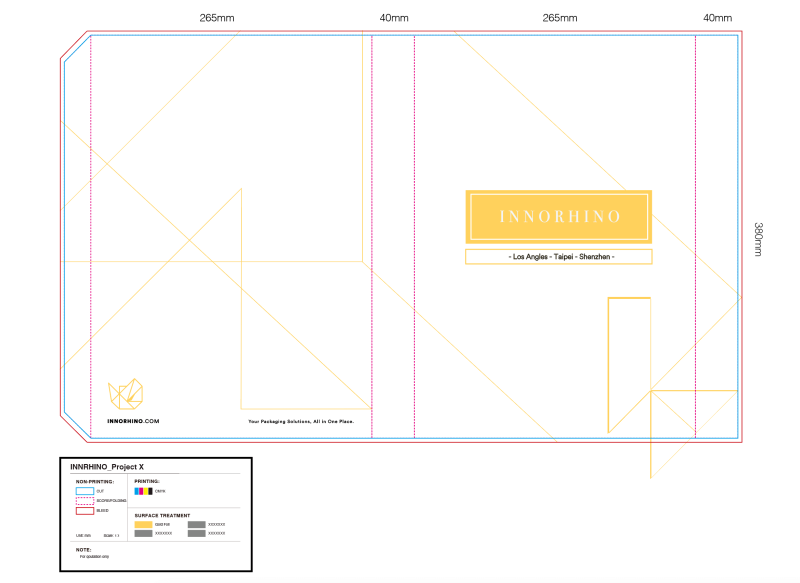
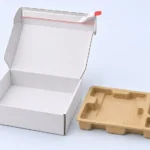
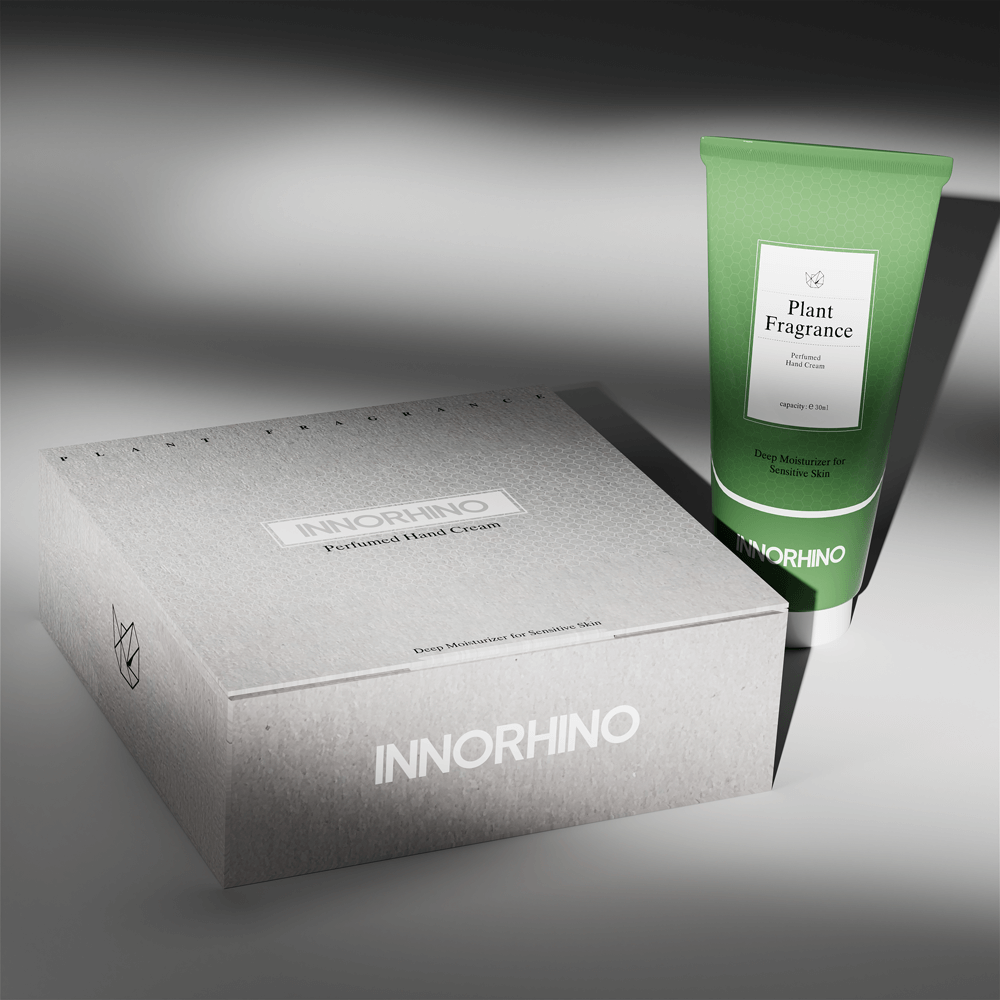
A useful way to picture it: take apart a cosmetics carton and lay it flat. The outline of that flat shape, the creases where it folds, and the flap that gets glued are all defined by its dieline.
What a Dieline Shows
| Element | What it marks | Why it matters |
|---|---|---|
| Cut line | Where the die cuts through the board | Defines the outer shape of every panel |
| Crease or score line | Where the board folds | Text or graphics crossing a fold can crack or misalign |
| Perforation | Tear-away sections, such as easy-open strips | Has to line up with the opening experience |
| Glue area | Where panels are bonded | Usually kept free of ink or coating so the glue holds |
| Bleed | Artwork extending past the cut line | Prevents thin white edges if the cut shifts slightly |
| Safe zone | Inner margin for text and logos | Keeps key information away from cuts and folds |
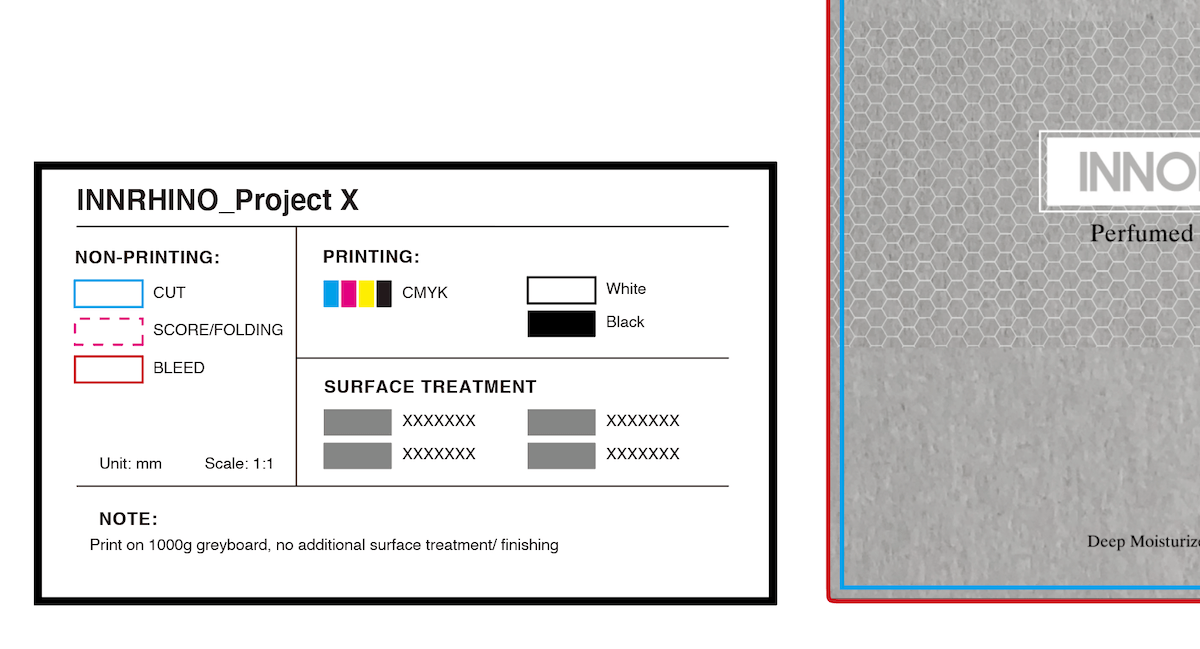
Line colors and styles vary by supplier. Many use a solid line for cuts and a dashed line for folds, so always check the legend on the dieline you receive. The dieline usually sits on its own layer or spot color and is not printed.
Why the Dieline Matters for Production
The dieline is where design and manufacturing meet. If it does not match the actual structure, the problems show up only after printing: a logo that wraps around a fold, a barcode cut off at an edge, or a lid that does not close. Board thickness matters too. A dieline drawn for thin paperboard will not fold the same way on thicker rigid or corrugated board, so the dieline should be drawn for the material you plan to use.
Who Creates the Dieline?
For standard structures such as straight tuck end cartons, mailer boxes, and sleeves, your packaging manufacturer can usually provide a dieline sized to your product and chosen board. This is often the fastest route, because the dieline already matches the supplier’s tooling and production methods.
Custom shapes, inserts, and unusual openings need a structural designer, who typically works in packaging CAD software such as Esko ArtiosCAD and exports the dieline for artwork. Online template generators can help you explore sizes early on, but their output still needs to be checked against your material and your printer’s requirements before you design final artwork on it.
What to Check Before You Send Artwork
- Dimensions match the actual product, including any insert or tray
- The dieline was drawn for the board or material you will print on
- Bleed and safe zones follow your printer’s specification
- No critical text, barcodes, or logos cross a fold or glue area
- A physical sample or white mockup has been folded and checked
Related Article: 5 Common Dieline Mistakes That Cause Supplement Packaging Failures
Related Article: How to Design Packaging: A Beginner’s Guide for New Brands
FAQ
What is a dieline in packaging?
It is the flat, to-scale template of a package that shows where it will be cut, folded, perforated, and glued, along with the bleed and safe zones for artwork.
Is a dieline the same as a mockup?
No. A dieline is the flat technical template. A mockup is a 3D view or a physical sample that shows how the finished package will look once the artwork is applied and the box is assembled.
What file format is a dieline?
Artwork dielines are usually shared as Adobe Illustrator (.ai) or PDF files with the dieline on a separate layer. Cutting tables and structural CAD often use DXF.
Does the dieline print on the final package?
No. The dieline guides the artwork and the cutting die, but it sits on a non-printing layer or spot color and does not appear on the finished box.
Work With a Supplier That Checks the Dieline
INNORHINO’s team handles structure, sampling, and production together, so dielines are checked against the material and tooling before artwork is finalized. If you already have a dieline, send it with your product dimensions, quantity, and launch timeline. If you are starting from scratch, tell us what you are packaging and we will suggest a structure to begin with.