By Kevin, CEO of INNORHINO
Should a toothpaste tablet startup package in glass or aluminum jars, and how small can the first order be?
For Kaylaan, aluminum was the better fit. The glass jar they liked needed a plastic seal in the cap, which undercut their plastic-free story, and glass adds weight and breakage risk in transit. On volume, a tiered quote let them launch with a 10K premium-priced run and move to standard pricing at 20K, instead of committing to a full industrial MOQ.
Aluminum isn’t automatically the answer. Check the jar’s interior coating and how the lid seals, since tablets are sensitive to moisture. Avoid tinplate steel if the product will sit in humid conditions, because rust becomes a real risk. Before you commit, confirm the closure with a fit sample, and collect the compliance documents your U.S. retailers will ask for.
The Brief: A Plastic-Free Story on a Startup Budget
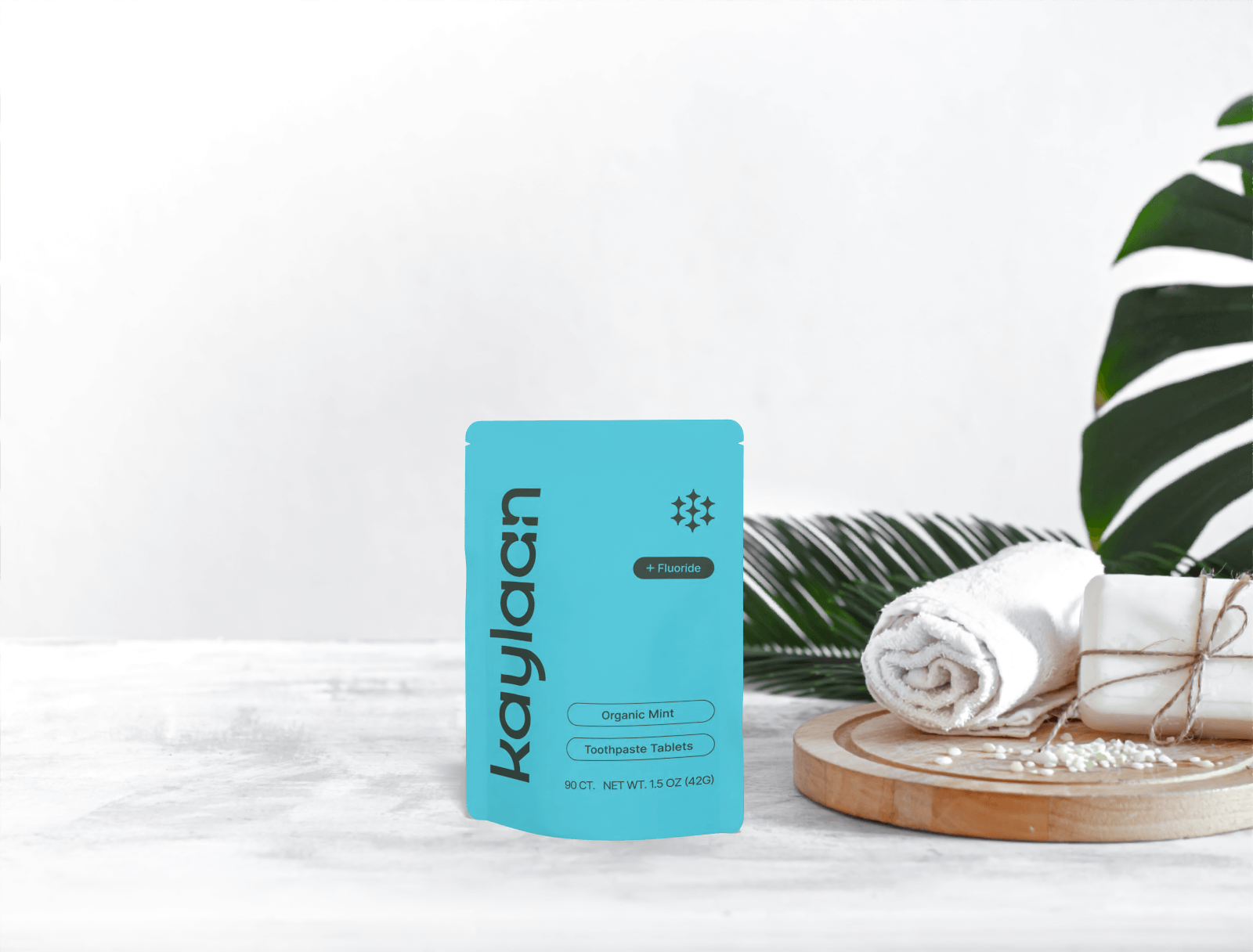
Kaylaan is a U.S. oral care brand selling toothpaste tablets, and it came to us through a referral from an existing client. The brand’s whole pitch rests on cutting plastic out of a daily routine, so the package had to support that claim on the shelf and in the consumer’s hand.
Two constraints shaped every decision after that. The first was the material: the jar couldn’t contradict the product’s reason to exist. The second was volume. Like most startups, Kaylaan needed a first order it could sell through, not a pallet count sized for an established brand. The project details, from the initial brief through delivery, are in the full Kaylaan case study. This piece focuses on the two decisions other founders ask me about most.
Why the Glass Jar Didn’t Fit
Kaylaan started out favoring glass, and the appeal is easy to understand: glass reads as clean and premium, and consumers associate it with reuse. The problem was in the cap. The glass jar option they were considering relied on a plastic seal in the closure to keep the tablets dry. For a brand built on removing plastic, that one detail would sit right under the customer’s thumb every time they opened the jar.
Glass also carries costs that don’t show up on the unit quote. It is heavier, which raises freight, and it breaks, which adds protective packaging and replacement risk. For a startup shipping its first batches by air, both of those land directly in the launch budget.
What Aluminum Solves, and What It Doesn’t
We moved Kaylaan to aluminum jars. Aluminum is light, it doesn’t shatter, it’s widely recyclable, and it holds up to repeated opening in a bathroom. We also flagged why we didn’t recommend tinplate steel, even though it can look similar on a quote: in a humid bathroom, steel can rust, which is a hygiene problem as much as a cosmetic one.
Aluminum still needs engineering attention. The interior coating, the lid fit, and how well the closure keeps moisture out all decide whether the tablets stay intact through their shelf life. Those details matter more than the metal itself, and we cover them in more depth in our guide to getting barrier, seals, and tins right for toothpaste tablets.
For sampling and low-volume channels, we paired the jars with flexible pouches. They let Kaylaan put product in customers’ hands without tying up cash in jar inventory.
How We Tiered the MOQ
The gap between what a startup can sell and what a factory wants to run is where many first launches stall. Instead of a single quote at an industrial minimum, we offered Kaylaan two tiers:
- A 10K short run at a premium unit price, so the brand could test the market without overcommitting.
- Standard pricing from 20K units, for when demand was proven.
The mold fee followed the same logic. It was refundable once order volumes reached a set threshold, for example a $5,000 rebate at 500,000 units, so the upfront tooling cost didn’t penalize a small first order. We also declined to share molds with other brands. A shared mold would have cut the cost, but it would have meant Kaylaan’s jar wasn’t really theirs.
The trade-off is plain: a premium unit price on the first run in exchange for less cash tied up and less risk if the product needs to change. For most startups, that’s the right side of the trade.
Getting Production-Ready Before the First Shipment
Kaylaan’s design team was strong on branding and newer to manufacturing files. We walked them through 2D and 3D file standards and CMF (color, material, finish) specifications. We also sent physical reference samples, and we held the key discussions on live video calls instead of trading quotes by email. Most of the risk in a first production run comes from specs that were never stated clearly, and a conversation clears those up faster than a document.
Our proofing lead, JiuJiu, then checked every layer of the artwork, from line weights to the separation between the UV coating and the print. That review was thorough enough that Kaylaan chose to skip a physical production sample. That choice made sense here because the structure and finishes had already been settled. I wouldn’t recommend it by default: when the structure, closure, or material is new, a physical sample costs far less than a reprint.
On compliance, we supplied Certificates of Compliance and SDS documentation for Kaylaan’s U.S. records. On logistics, the first batch went by air to meet the launch date, and the larger second batch went by sea. At the time, a U.S.–China tariff suspension was in effect, so we advised Kaylaan on timing its order to make use of it.
Kaylaan’s founder later told me, “You guys weren’t just our packaging supplier—you were part of our product team.”
What I’d Tell a Founder Weighing the Same Choice
Start with the claim your product makes, and check the closure against it, not just the jar body. A plastic-free story can be undone by a single seal. Next, cost the material across freight, breakage, and protective packaging, not on the unit price alone. Then ask your supplier for a tiered quote and a clear mold-fee policy before you accept a full industrial MOQ. Finally, decide on samples based on what’s new in your package, not on how confident everyone feels about the artwork.
If you’re working through a material or volume decision like this one, bring your product, your target launch quantity, and the claims your brand needs the package to support.
Talk with us. Let’s shape it together.
Kevin
CEO, INNORHINO