Skip to content
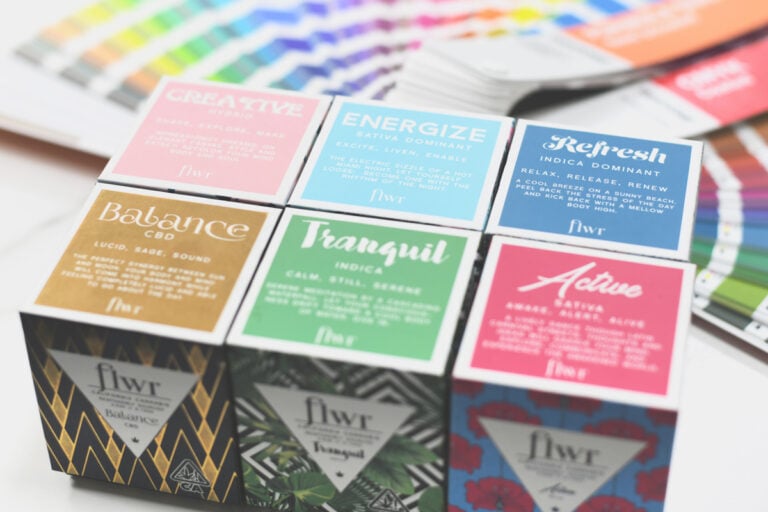
For many growing brands, sourcing from an overseas packaging supplier is equal parts exciting and stressful. You send out an inquiry, and days later, a spreadsheet arrives filled with terms like FOB, MOQ, GSM, and DDP.
If you are managing this process for the first time, it is easy to feel out of your depth. Common worries we hear from buyers include:
- Am I being overcharged?
- Do I need to pay for samples upfront?
- What if mass production looks entirely different from the PDF proof?
The truth is, once you understand the mechanics of a custom packaging quote, the process becomes predictable and highly manageable. Sourcing overseas does not have to be a gamble. Here is the step-by-step roadmap to requesting an accurate quote, controlling your risks, and successfully importing packaging for your brand.
Step 1: Build Your Packaging Spec Sheet (Before You Ask for a Quote)
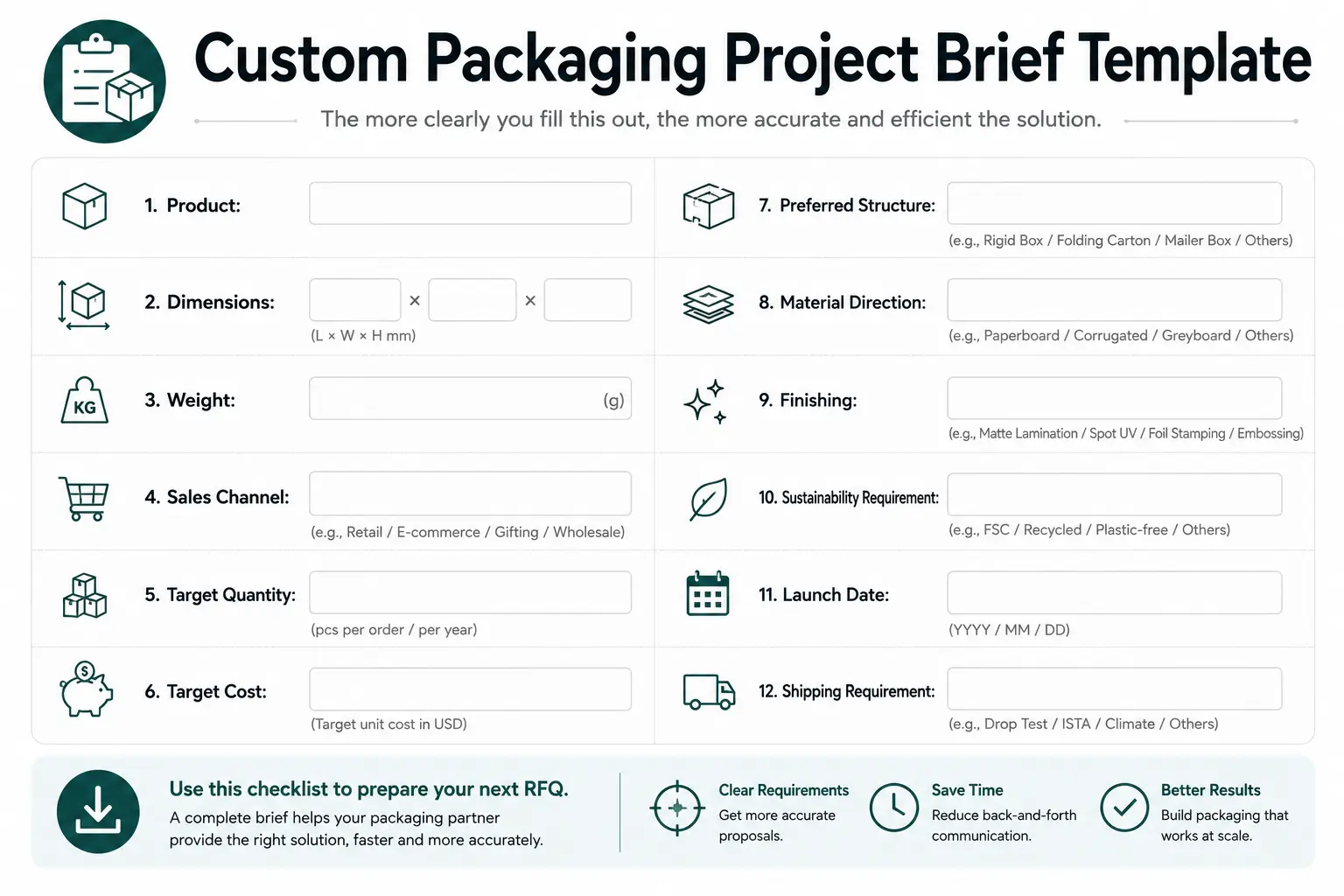
Before requesting a custom packaging quote, you need to establish your specifications. Think of this as your blueprint. The clearer your details, the fewer revisions—and hidden costs—you will face later.
If you ask a supplier “How much for a custom box?”, they cannot give you a real answer. Suppliers calculate prices based on volume, weight, and machine setup time.
The Core 4 Requirements Checklist:
- Dimensions: Exact sizing (L × W × H) or product capacity (e.g., 30ml for bottles, ounces for pouches). Let the supplier know if these are inner or outer dimensions.
- Material: Specify your preference (e.g., 350g paperboard, corrugated kraft, PET plastic, glass). If you require sustainable options, ask for FSC-certified paper.
- Finishes: Detail any specialty processing like foil stamping, UV coating, matte/gloss lamination, embossing, or window cutouts.
- Quantity: Provide your target order volume and your estimated annual forecast.
Editor’s Note: Suppliers often calculate prices based on volume and weight. Detailed specs will give you a fairer baseline price when working with a packaging manufacturer overseas.
Step 2: Decode the 3 Tiers of a Packaging Quotation
Most overseas packaging quotations break down into three main cost categories. Knowing how to read them allows you to negotiate effectively.
- Material Cost: The raw materials used, such as standard paperboard versus premium textured stock.
- Finishing & Processing: The cost of machine time and plates for printing, die-cutting, and specialty finishes.
- Logistics & Taxes: Shipping terms dictate who pays for freight and duties.
Logistics & Incoterms: Why You Need Both FOB and DDP Quotes
When requesting a quote, never settle for just one shipping term. A standard procurement best practice is to ask the supplier for both EXW or FOB (manufacturing and local transport costs) and DDP (fully landed, door-to-door costs).
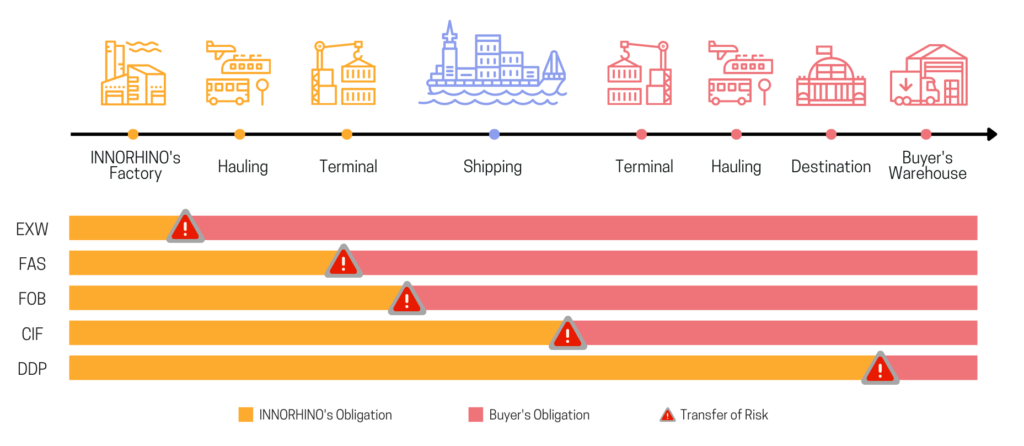
Here is why this dual-quote strategy protects your budget:
- It unmasks the true manufacturing cost: Some suppliers offer artificially low unit prices but inflate shipping fees to make up their margin. Asking for an EXW or FOB quote strips away the freight variables, allowing you to compare the pure manufacturing cost across multiple suppliers on an apples-to-apples basis.
- It tests their logistics network: Requesting a DDP quote shows you their fully landed price. You can then compare this figure against a quote from your own freight forwarder to see who actually offers the better logistics deal.
- It prevents margin stacking: Splitting the terms forces transparency, preventing the supplier from bundling material, production, freight, and customs into one opaque number.
Compliance Note: Always ensure your supplier’s quotation explicitly references official Incoterms® 2020. These globally recognized rules dictate exactly who pays for what, and where liability transfers. Relying on vague email promises like “shipping included” can leave you legally responsible for unexpected customs holds or destination port fees. Review the official definitions directly through the International Chamber of Commerce (ICC) Incoterms® 2020 hub.
Quick Reference: Common Shipping Terms
| Term | Who Pays for Shipping? | Who Pays Import Duties/Customs? | Best For |
| EXW (Ex Works) | Buyer | Buyer | Buyers with their own established freight forwarders. |
| FOB (Free on Board) | Supplier pays to the local port; Buyer pays the rest. | Buyer | Brands managing their own sea/air freight. |
| CIF (Cost, Insurance, Freight) | Supplier pays to your destination port. | Buyer pays upon arrival. | Buyers who want the supplier to handle sea transit. |
| DDP (Delivered Duty Paid) | Supplier | Supplier | First-time buyers wanting a hassle-free, door-to-door cost. |
Step 3: Use Sampling as Your Risk Control Policy
Sampling is your insurance policy. It prevents a small misalignment from becoming an expensive mass-production disaster.
The 3 Stages of Packaging Proofs:
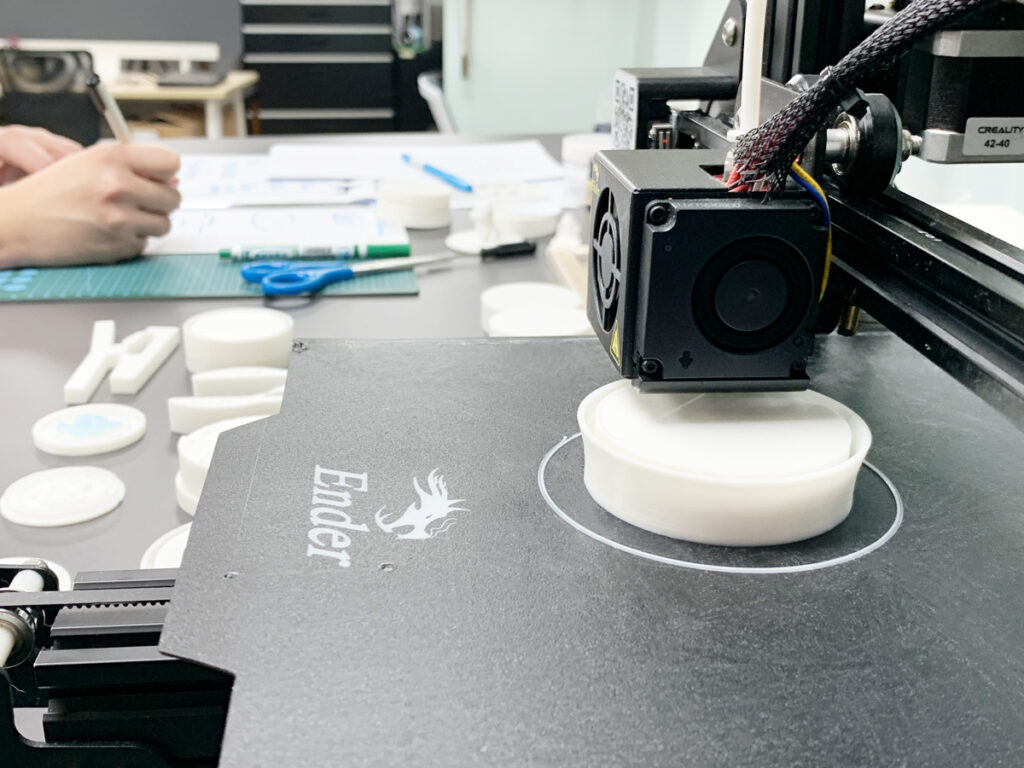
- Dummy Sample: A blank prototype. Use this to check structure, shape, and ensure your product actually fits inside.
- Digital Proof: A digital file confirming layout, font size, and barcode placement.
- Production Sample (Golden Sample): A fully finished, printed sample that serves as the benchmark for mass production. This usually takes 7–10 days.
Step 4: Map Out Production and Payment Terms
Once your golden sample is approved, production begins. Aligning on a timeline early helps avoid out-of-stock scenarios. The standard overseas flow looks like this:
- Final sample approval
- Deposit payment (Standard terms are usually 30% to 50% upfront)
- Mass production (Expect 15–35 days, depending on structural complexity)
- Quality inspection and packing
- Balance payment (Paid before shipment or against the Bill of Lading)
- Shipping
4 Common Pitfalls When Sourcing Overseas (And How to Avoid Them)
Even with a flawless spec sheet, first-time buyers often lose money or time by falling into these four commercial traps:
1. The MOQ Trap (Per Order vs. Per SKU)
- The Pitfall: A supplier quotes a reasonable Minimum Order Quantity (MOQ) of 5,000 units. However, you have five different product flavors. Later, you discover the supplier meant 5,000 units per SKU, not for the total order, ruining your budget.
- The Fix: Always clarify if the MOQ is per order, per design, or per SKU. If you are doing a small test run, explicitly ask the supplier for their sample MOQ versus their mass production MOQ.
2. The Color Mismatch on Different Materials
- The Pitfall: Approving a backlit digital PDF and expecting the physical box to look identical. Buyers often forget that ink absorbs differently on uncoated kraft paper than it does on glossy coated cardstock.
- The Fix: Never rely on a screen. Always approve a physical, printed sample (a wet proof or golden sample) before mass production. If your brand colors are strict, provide exact Pantone (PMS) codes rather than relying on CMYK mixing.
3. Unrealistic Lead Times and Holiday Delays
- The Pitfall: Assuming “30 days production” means the packaging will arrive at your warehouse in a month. Buyers often fail to account for transit times, port congestion, or major overseas factory closures (such as the Lunar New Year).
- The Fix: Build a realistic timeline. Add a 15–20% time buffer to whatever the supplier quotes. Ask your supplier upfront about any upcoming national holidays that might halt production.
4. Ignoring Structural Efficiency (Shipping “Air”)
- The Pitfall: Designing a beautiful custom box without considering its final shipping dimensions. If your box is slightly too large, you will pay exorbitant “dimensional weight” shipping fees for transporting empty space.
The Fix: Design your packaging to maximize the use of standard shipping master cartons and pallets. At INNORHINO, our structural engineers routinely audit client die-lines before production. By optimizing the box structure and shaving just a few millimeters off non-essential dimensions, we help brands fit significantly more units onto every pallet—effectively eliminating the hidden cost of shipping “air” across the ocean.
Essential Packaging Glossary for Buyers
- GSM (Grams per Square Meter): Measures the weight and thickness of paper. 80 GSM is standard office paper; 350 GSM is standard for a sturdy folding carton.
- Die-Cut: The process of using a custom steel blade to cut the packaging material into its specific shape.
- Pantone (PMS): A standardized color matching system used to ensure brand colors print consistently every time.
FAQs for First-Time Packaging Buyers
You need product dimensions, material preference, finish details, quantity range, and your annual forecast. Clear specifications result in accurate pricing.
Yes. In the packaging industry, MOQ is often flexible depending on the machinery required. Some suppliers allow lower runs at higher unit prices. Always confirm both the sample MOQ and mass production MOQ.
Mass production typically takes 15–35 days. However, you must factor in shipping. Air freight takes 5-10 days, while ocean freight can take 30-45 days. Build a 15% buffer into your timeline.
Standard factories usually only print what you send them. Full-service partners (like INNORHINO) handle structural design, prototyping, mass production, and global logistics, which simplifies the import process for your procurement team.
Don’t let your first overseas sourcing experience be a costly trial-and-error process. By structuring your requests, understanding incoterms, and insisting on rigorous sampling, you protect your brand’s bottom line.
Need a reliable partner to handle the heavy lifting? INNORHINO offers end-to-end custom packaging solutions. Contact us today with your specifications for a transparent, no-surprises quote.