When packaging teams talk about “innovation,” the conversation usually drifts toward materials, sustainability claims, or visual refreshes. Tear notches almost never make the agenda.
That’s a mistake.
The tear notch is often the first mechanical interaction a customer has with your product. Not the graphics. Not the copy. The opening. And when that moment goes wrong, it tends to color everything that follows.
I’ve seen strong brands undermined by this detail. Not because it was missing—but because it was treated as an afterthought.
What a Tear Notch Actually Does
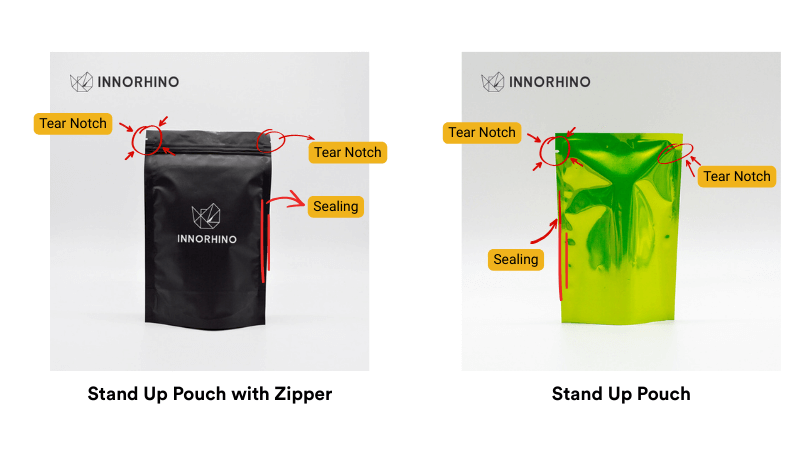
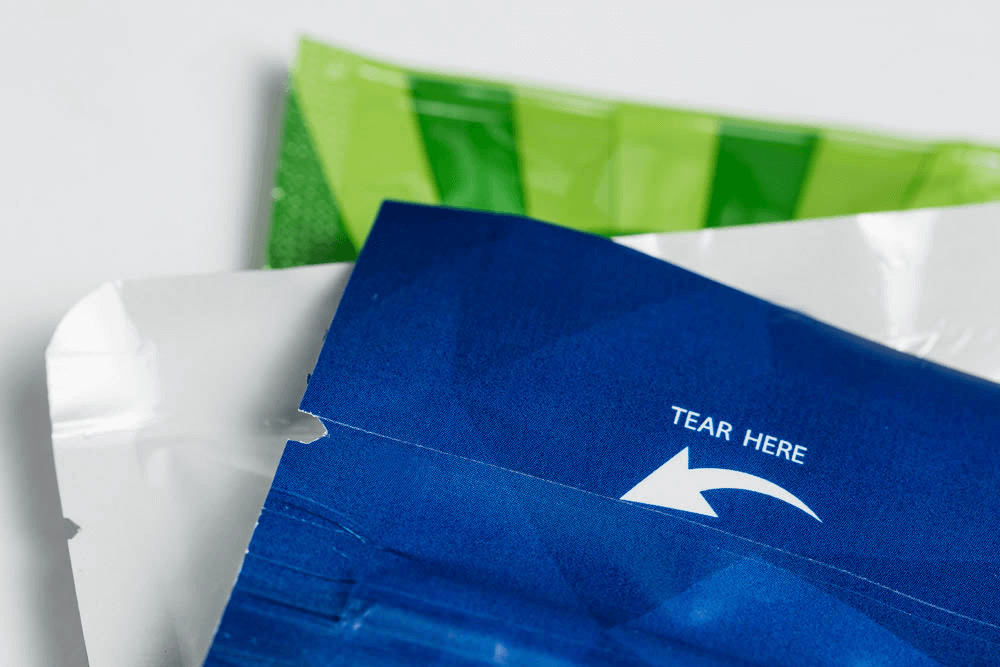
A tear notch is a small, intentional cut at the edge of flexible packaging—pouches, sachets, stick packs, foil bags. Its job isn’t decorative. It’s directional.
It tells the user where to start.
It controls how force travels through the film.
It reduces the chance of panic tearing, twisting, or resorting to scissors.
When it works, nobody notices. When it doesn’t, people remember.
Why This Detail Carries More Weight Than It Seems
Opening Is the First Use Case
Before the product performs, the package does.
If opening feels clumsy—uneven tear, sudden rupture, contents jumping out—the experience is already compromised. Even if the product itself is solid, you’ve introduced friction at the worst possible moment.
A good tear notch creates confidence. A bad one introduces hesitation.
Controlled Tearing Protects the Product
Unmanaged tears show up in predictable ways:
- Powder plumes from sachets
- Capsules scattering across a counter
- Pouches ripping down a side seam
Most of these failures aren’t material defects. They’re tear-path problems.
A properly engineered notch gives the film somewhere to fail on purpose.
It Signals Care Without Saying Anything
Consumers don’t point at a tear notch and praise it. They just feel that the package “works.”
That feeling quietly communicates:
- Someone tested this
- Someone thought about how it’s used
- Someone didn’t stop at the mockup
For premium or regulated products, that signal matters more than most surface-level embellishments.
Where Tear Notches Earn Their Keep
You see them most often where precision, cleanliness, or compliance matter:
- Sachets and stick packs
- Stand-up pouches, zipped or not
- Foil and Mylar structures
- Coffee, tea, protein, supplements
- Functional food and regulated goods
Anywhere opening failure creates mess, waste, or distrust, the notch is doing real work.
Common Tear Notch Approaches (and Why Brands Choose Them)
Standard Tear Notch
The baseline solution.
- Simple die-cut
- Cost-efficient
- Works across many laminated films
It’s fine—when the material structure cooperates.
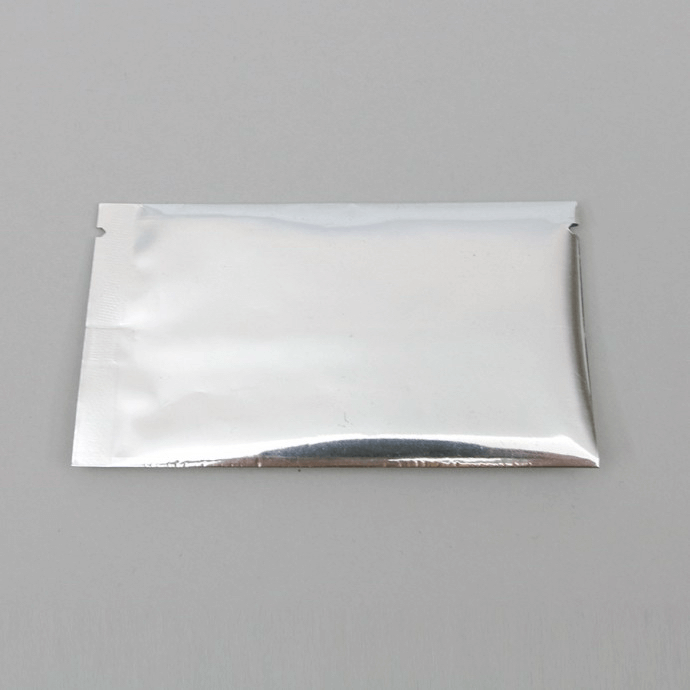
Double-Side Tear Notch
Notches on both edges.
- More forgiving for thicker laminations
- Reduces handedness issues
- Improves consistency in real-world use
Often chosen after single-notch failures show up post-launch.
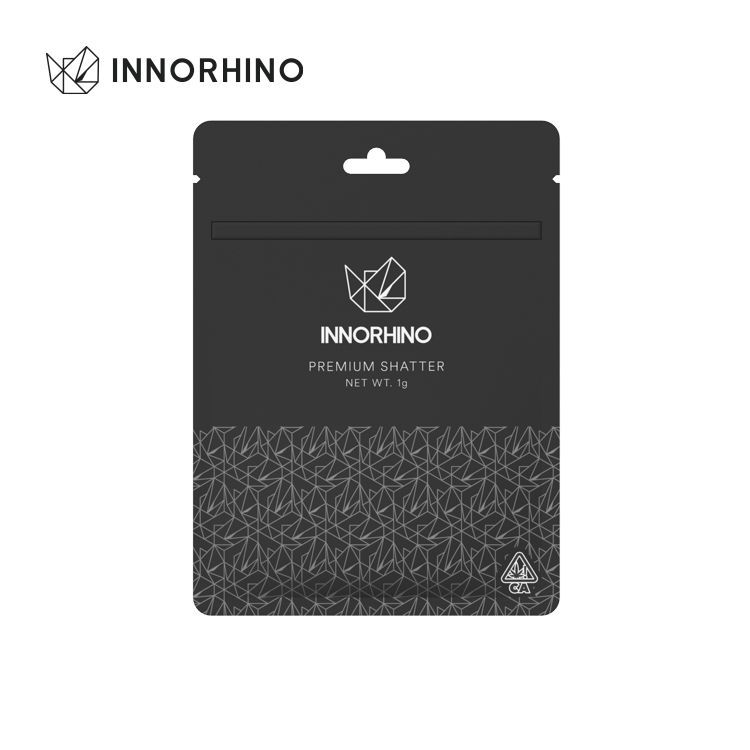
Laser-Scored Tear Line
More control, more cost.
- Predictable tear path
- Cleaner, straighter opening
- Suitable for high-barrier or technical films
Common in premium, medical, or compliance-heavy packaging where failure isn’t tolerated.
Design Variables That Cause Most Post-Launch Problems
Placement Isn’t Arbitrary
Most notches sit 5–10 mm below the top seal for a reason.
Too close, and you weaken seal integrity.
Too far, and users fight the film before the tear starts.
This distance should be tested, not assumed.
Film Structure Dictates Behavior
Not all laminations tear the same way.
- Thicker structures resist initiation
- High-barrier films redirect tear paths
- Poor layer balance causes diagonal or runaway tears
This is where “one-size-fits-all” notch specs quietly fail.
Zippers Complicate Everything
With resealable pouches:
- The notch must open cleanly above the zipper
- The tear must stop before damaging the profile
Miss that balance, and you’ve turned a resealable pack into a single-use one—without realizing it until complaints arrive.
Barrier Performance Still Wins
No tear feature is worth compromising moisture, oxygen, or odor protection.
In food, supplement, and regulated markets, notch design has to survive transport, storage, and shelf life before it ever earns the right to open cleanly. That means testing. Not assumptions.
“Easy Open” Isn’t a Claim. It’s a Result.
Plenty of packages say “easy open.”
Fewer actually are.
Real easy-open performance comes from alignment:
material selection + notch depth + placement precision
Miss one variable, and consumers feel it immediately—even if they can’t explain why.
Closing Thought: Invisible Work Compounds
A tear notch is invisible when it’s right and painfully obvious when it’s wrong.
For brands that care about usability, product protection, and trust, it’s not a minor cut in the film. It’s a system decision—one that quietly compounds over every unit you ship.
In packaging, small details don’t stay small for long.