Which cannabis packaging format should you use for each product type?
Choose by what the product needs protection from, then by price tier. Flower usually goes in barrier pouches or glass jars, pre-rolls in tubes or multi-pack cartons, edibles in resealable opaque pouches or rigid boxes, oils in tinted glass dropper bottles, concentrates in small glass or silicone containers, and capsules in child-resistant bottles.
The premium option isn’t automatically the better one: glass adds weight and breakage risk, rigid boxes add cost, and every format needs child resistance verified in the exact configuration you buy. Confirm your market’s rules for the product class, then run a sample fill before placing an order.
Most cannabis products have two or three realistic packaging formats, and choosing between cannabis packaging options is rarely about which one looks best in a catalog. It depends on what can damage the product, how customers use it, what your price tier can carry, and what your market allows. This guide goes product by product and focuses on the trade-offs that actually decide the format.
It assumes you already know your market’s rules. For child-resistance, opacity, and labeling requirements by state and country, see Cannabis Packaging: A Complete Guide to Compliance, Formats, and Sourcing.
Three questions that narrow the choice
Before comparing containers, answer three questions. First, what does the product need protection from: moisture loss, moisture gain, light, crushing, heat, or odor escaping? Second, how is it used: all at once, or opened and closed over days or weeks? Multi-use products usually need packaging that stays child-resistant after opening. Third, where does it sit in your range: value, core, or premium? That decides how much of the unit cost can go into packaging.
These answers usually eliminate most options before design starts. The sections below apply them to each product category.
Cannabis flower packaging: barrier pouches or glass jars
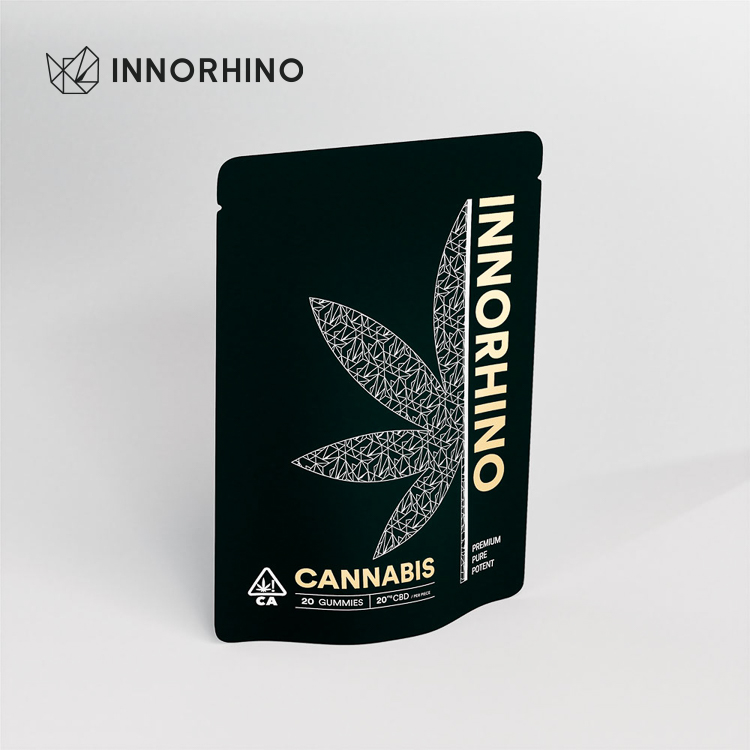
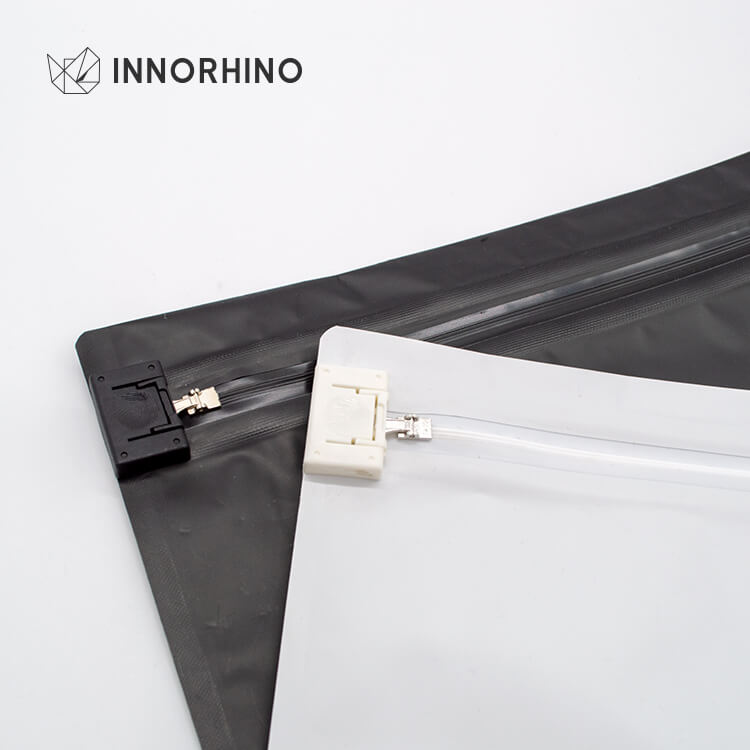
Flower needs a barrier against air, light, and moisture change, and it needs protection from crushing. Multi-layer barrier pouches, often called Mylar bags, are the most common answer. They are light, flat for storage and freight, cost less per unit than glass, and can include a child-resistant zipper and a tear notch for tamper evidence. Their weakness is crush protection: buds in a soft pouch can be compressed in a bag or during shipping.
Glass jars protect the shape of the buds and signal a premium product, and customers often keep them. The trade-offs are weight, breakage, and freight cost, which grow quickly when you ship long distances or sell larger sizes. Clear glass also lets light in; if the product will sit in a lit display case, consider tinted or UV-protective glass, and check whether your market requires opaque packaging for flower.

Rule of thumb: pouches for value and core lines and for larger sizes; jars for premium small sizes where presentation justifies the extra cost. A common middle path is a pouch inside a printed carton, which adds shelf presence and some crush protection without the weight of glass.
Pre-roll packaging: tubes or multi-pack boxes
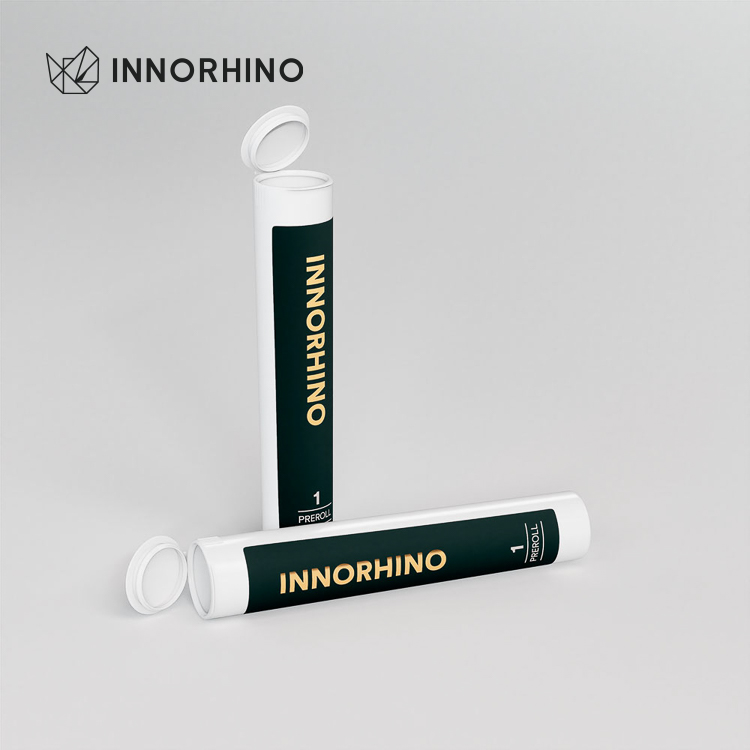
Pre-rolls break easily and dry out, and customers carry them around. Tubes suit singles and small packs. Plastic tubes are the lowest-cost option; paper tubes read as more sustainable but offer less moisture protection; metal and glass tubes feel premium but cost more and add weight. Whatever the material, the closure is what makes a tube child-resistant, so confirm that the tube and cap were tested together.
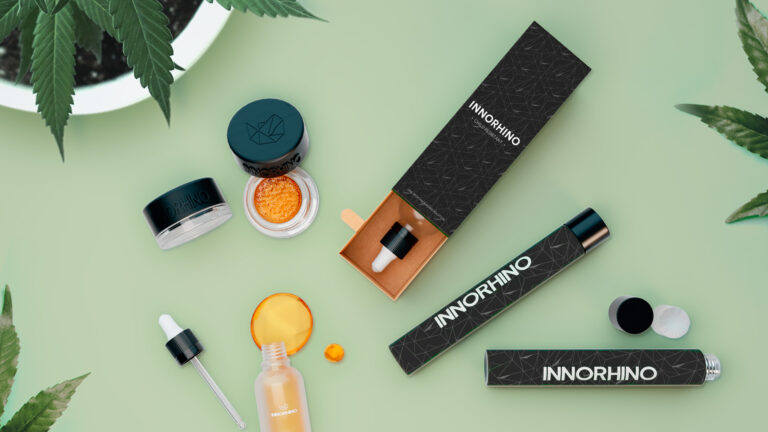
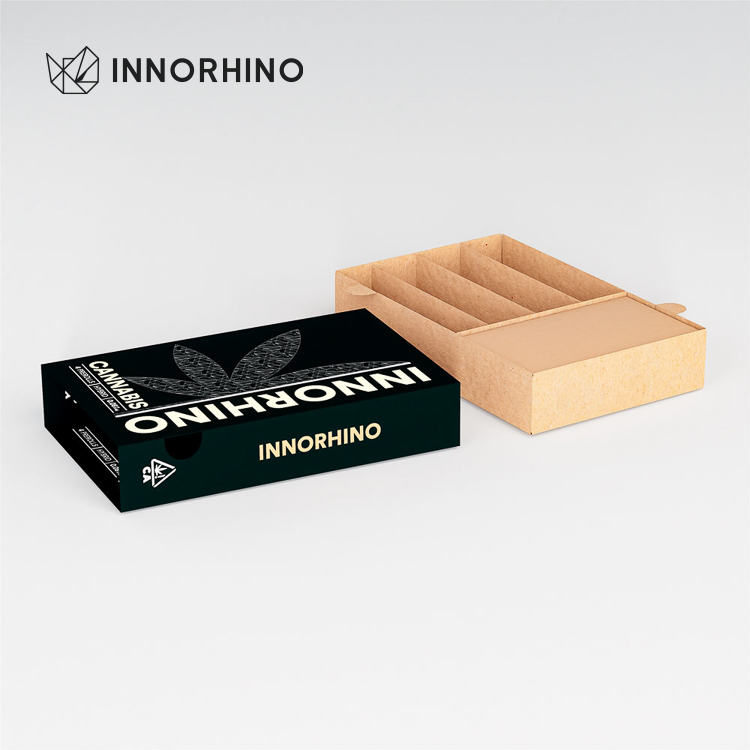
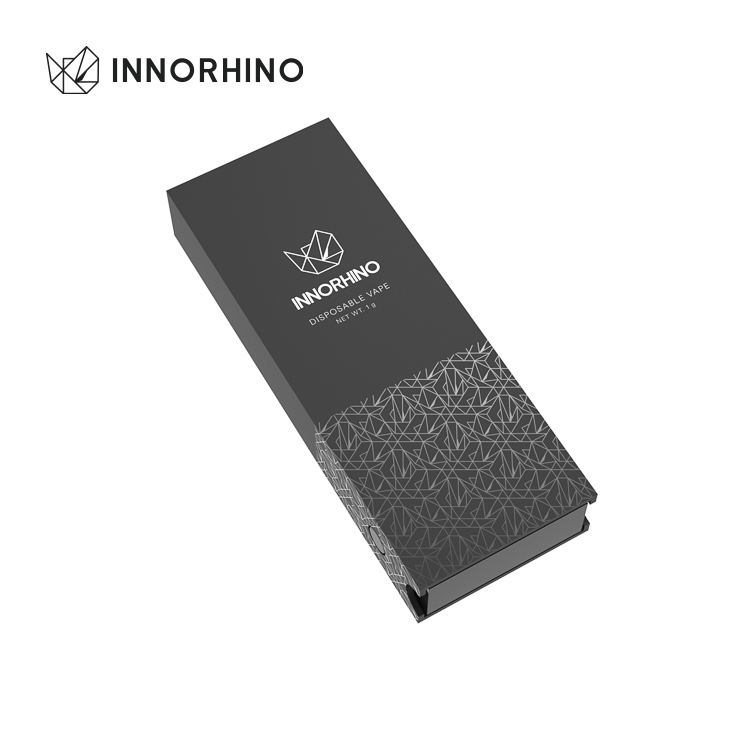
Multi-packs usually move into a drawer box or folding carton with a divider or insert that keeps each pre-roll from shifting. A carton gives far more space for branding and required labeling than a tube. The trade-off is that the child-resistant mechanism now has to be built into the carton structure, which adds design and testing work.
Edibles packaging: resealable pouches or rigid boxes
Edibles carry the strictest expectations because they look like ordinary food. Many markets require opaque packaging for edibles, and multi-serving products usually need to stay child-resistant after the first opening. Packaging materials that touch the product should be suitable for food contact.
Resealable child-resistant pouches are the most common choice for gummies and hard candies. They are cost-effective, protect against moisture, and give space for flavor-specific designs. Rigid boxes and tins suit chocolates, baked goods, and premium lines, where crush protection and presentation matter more. Inside, individual wrapping or a compartment tray keeps pieces separate and makes each dose easier to identify.
Watch for heat and moisture in transit: chocolate can melt and gummies can stick together in a pouch that sits in a warm vehicle. If your distribution route has that risk, test packed samples under those conditions before committing.
Oils and tinctures: glass dropper bottles or plastic bottles

Oils need protection from light and a way to measure doses. Tinted glass dropper bottles, usually amber, are the default because glass doesn’t react with most oil formulations and the tint limits light exposure. A graduated dropper makes dosing clearer, and a child-resistant dropper cap handles safety on a product that is opened repeatedly.
Plastic bottles are lighter, cheaper, and less likely to break, which suits travel sizes and value lines. The trade-off is compatibility: some oils and carrier ingredients can interact with certain plastics over time. If you choose plastic, ask for compatibility data for your specific formulation or run a stability test before launch.
Concentrates: small glass jars or silicone containers
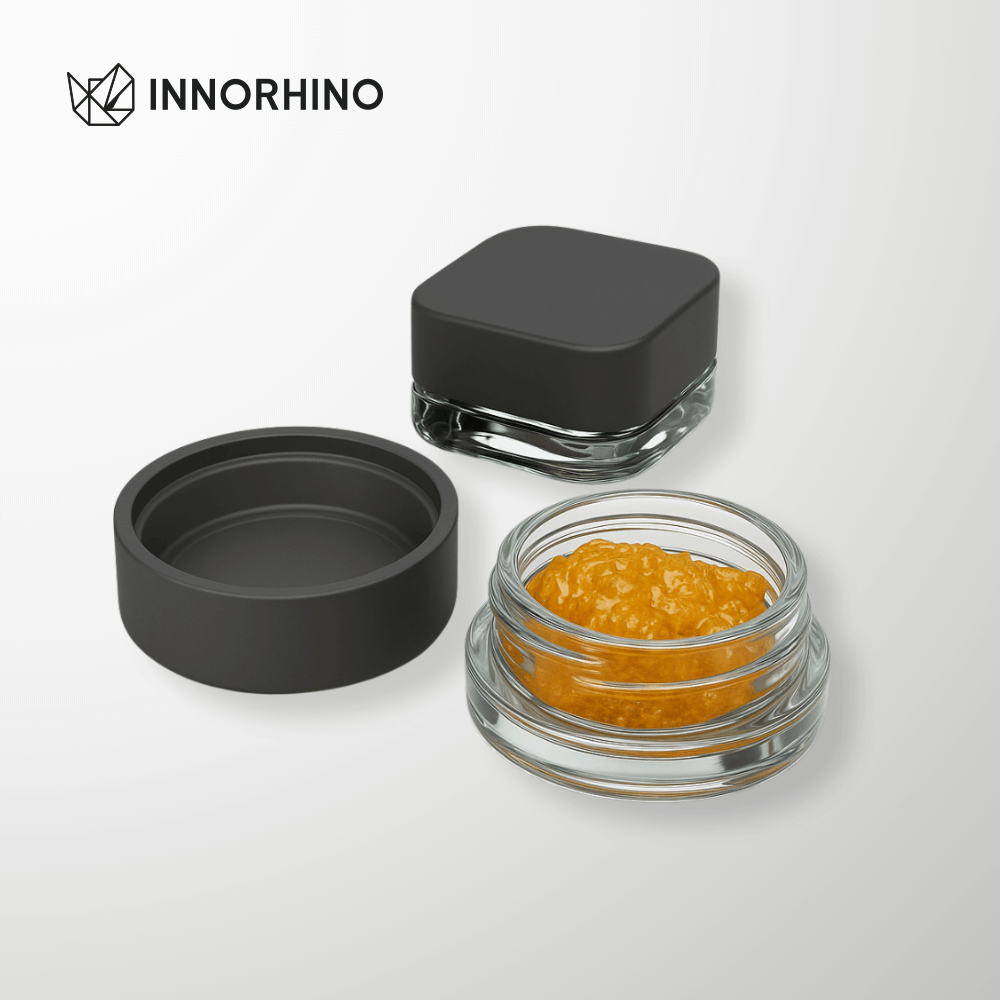
Concentrates are sold in small quantities, are often sticky, and need a good air barrier to keep their consistency. Small glass jars with child-resistant lids protect the product well and present it cleanly. Silicone containers release sticky products more easily, which customers appreciate for wax and budder, but they generally don’t offer the same barrier as glass for longer storage.
The container is often too small for all the required label content. Many brands add a printed outer carton, which also gives room for branding. Plan for that carton from the start, because it affects both cost and where child resistance sits.
Capsules: bottles or blister packs
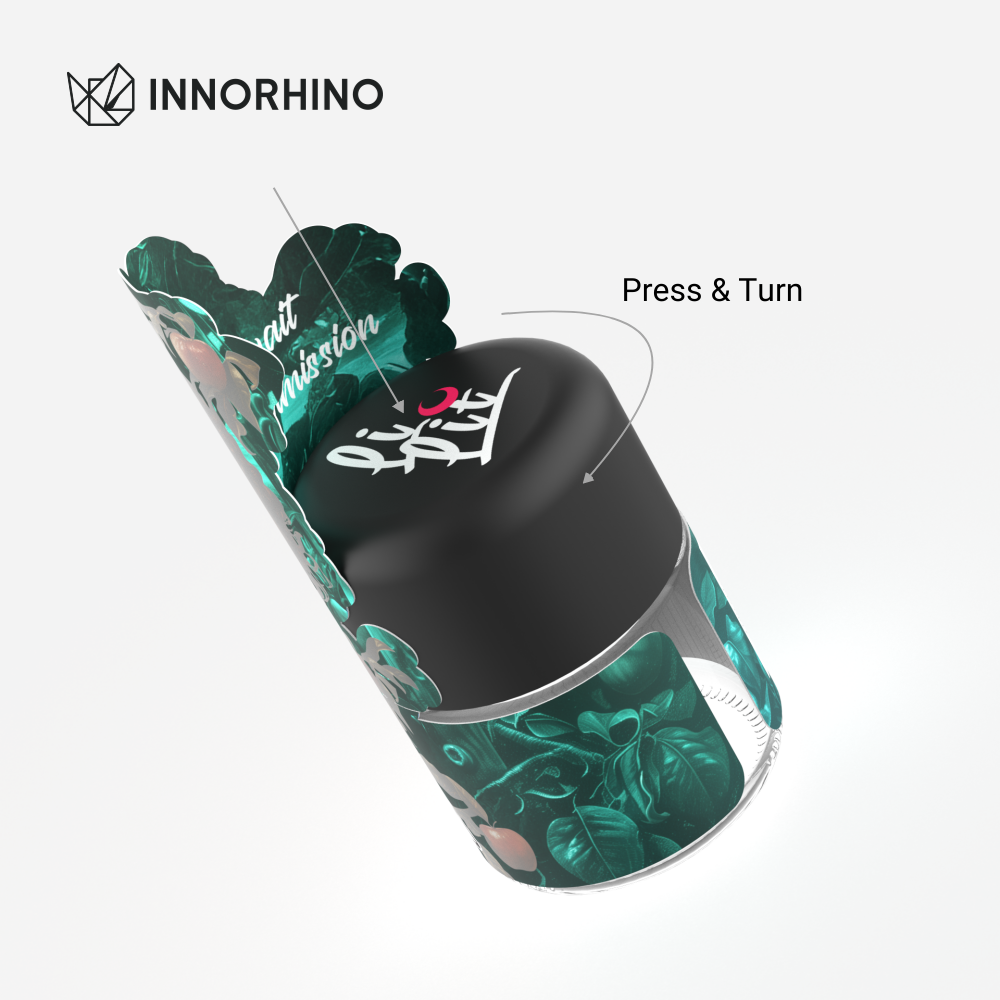
Why It Works: Push-and-turn closures are familiar to consumers, especially those accustomed to pharmaceutical packaging. These closures offer a proven balance of child resistance and adult accessibility.
Compliance: Commonly certified under ASTM D3475 and CPSC protocols (16 CFR § 1700.20).
Design Tips: Pair with UV-protective glass containers; use textured caps for better grip.
Sustainability: Recyclable materials available (e.g., PP, HDPE); reusable with proper cleaning.
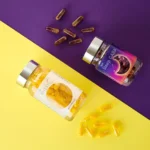
Capsule customers expect consistent dosing, so packaging tends to borrow from supplements and pharmaceuticals. Child-resistant bottles in plastic or glass are simple, give generous label space, and suit larger counts. A desiccant may be needed if the capsules are sensitive to humidity.
Blister packs keep each dose sealed until use and make it easy to see how many have been taken. They cost more per unit and need a child-resistant blister design, so they make most sense for lower counts or products positioned around precise dosing.
Summary: default formats and when to switch
| Product | Usual default | Switch to the alternative when | Verify before ordering |
|---|---|---|---|
| Flower | Barrier pouch | Premium small sizes where presentation justifies glass | Crush protection, light exposure, freight weight |
| Pre-rolls | Tube | Multi-packs or when you need more label and brand space | Tube and cap tested together; insert fit |
| Edibles | Resealable CR pouch | Chocolates, baked goods, or premium lines needing crush protection | Opacity rules, reclosable CR, heat exposure in transit |
| Oils and tinctures | Amber glass dropper | Travel sizes or value lines where weight and breakage matter | Formulation compatibility with plastic; dosing marks |
| Concentrates | Small glass jar | Very sticky products where easy release matters more than long storage | Barrier over shelf life; label space and outer carton |
| Capsules | CR bottle | Low counts or products positioned around exact dosing | Humidity protection; CR blister design |
What to check before you commit
Whatever format you choose, a few checks prevent most problems. Request child-resistance test documentation for the exact container and closure combination you’ll buy. Fill samples with real product and check the seal, odor containment, and how the package holds up after repeated opening. Confirm that all required label content fits at a legible size. If you run your own filling line, check that the format runs on it. Finally, compare minimum order quantities against your SKU count, since a format that is cheap per unit can still tie up cash across many SKUs.
For how format and finish choices affect shelf performance, see Cannabis Packaging Design That Sells. For keeping flower fresh after purchase, see How to Keep Your Cannabis Fresh.
Choosing formats for a new product line?
If you’re deciding formats for a new product or line, send us the product types and fill sizes, your target markets, price tier, SKU count, and expected order quantities. We can help you compare format options side by side and identify what should be sampled and tested before production.